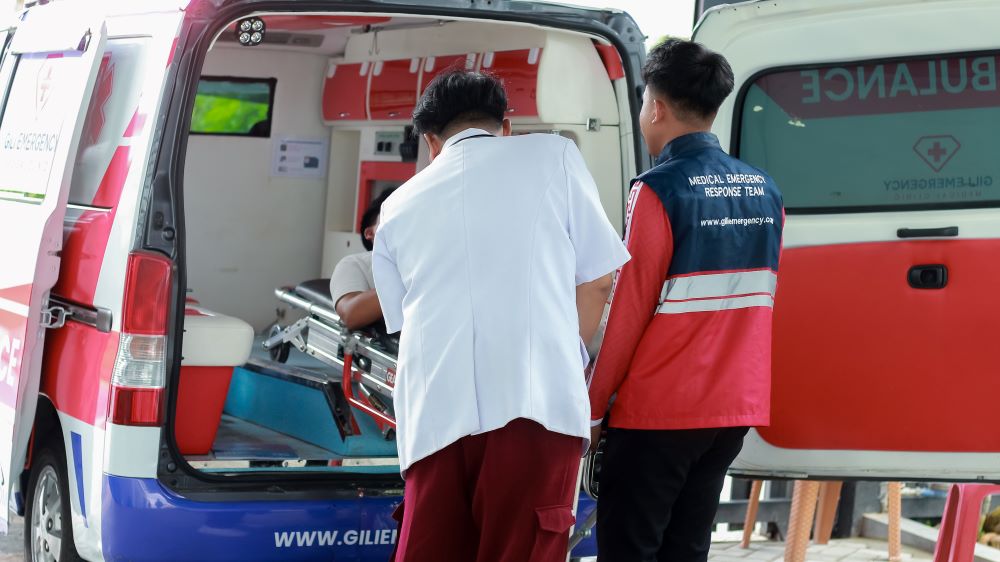
If you’ve ever day-dreamed about escaping to a quiet tropical island — soft sand under your feet, warm wind on your skin, waves whispering in the background — the Gili Islands probably popped into your mind at least once. But here’s the thing few travelers openly discuss: what happens when a Gili emergency strikes?
I remember the first time I visited Gili Trawangan. Everything felt magical… until a friend twisted his ankle during a sunset bike ride. Not life-threatening, thankfully, but it made me realize just how important it is to understand what to do in any kind of Gili emergency. On a small island with limited vehicles, no major hospital, and slower access routes, your choices matter — a lot.
In this article, we’ll talk like two friends planning a safe adventure. I’ll walk you through how to handle a Gili emergency calmly, where to seek help, what to prepare, and the mindset that keeps things under control even when panic tries to take over. Ready? Let’s dive in.
Understanding the Reality of a Gili Emergency
Before you even step foot on Gili Trawangan, Gili Meno, or Gili Air, it helps to know one simple truth: these islands are beautiful but limited in terms of medical infrastructure. That’s why understanding what a Gili emergency truly looks like gives you a head start.
Imagine this: you’re snorkeling, the water is crystal clear, fish darting around like living confetti — and suddenly you feel a sharp sting. Jellyfish. Or maybe you fall off your bike because the sand patch was softer than you expected. These little moments can escalate fast if you’re unprepared.
A Gili emergency doesn’t always mean something dramatic. Sometimes it’s dehydration. Sometimes it’s food poisoning (yep, happened to me once — I’ll spare you the details). Sometimes it’s a missed boat during bad weather. The goal is simple: stay aware, stay calm, and know your options.
Where to Get Help During a Gili Emergency
Let’s get practical — because in a real Gili emergency, knowing exactly where to go removes half the stress.
1. Local Clinics on Each Island
Each Gili has small clinics with basic treatment options. They can handle things like cuts, minor injuries, fevers, or medication needs. Think of them as first-aid stations rather than full hospitals.
During my second trip, someone in my group had a mild allergic reaction to seafood. The clinic gave antihistamines quickly and efficiently. Fast, friendly, reassuring — but still limited.
2. Boat Transfer to Lombok
For anything serious — I mean anything involving trauma, fractures, severe infections, breathing issues, or major allergic reactions — the recommended action during a Gili emergency is immediate transfer to Lombok.
Lombok has proper hospitals, emergency rooms, and specialists.
This transfer usually involves a speedboat. It might feel dramatic, especially when adrenaline kicks in, but trust me — it’s the fastest and safest route.
3. Emergency Contacts
Keep these numbers somewhere accessible:
-
Local clinic numbers
-
Your accommodation host
-
Your travel insurance hotline
-
Speedboat operators for medical evacuation
Trust me, when a Gili emergency happens, you don’t want to be scrolling endlessly trying to find the right person to call.
Common Types of Gili Emergency & How to Handle Them
Let’s go through real scenarios — the kind travelers actually experience.
Injury From Biking or Scooters
Although motorized vehicles are mostly banned, bikes and horse carts (cidomo) fill the gap. A sudden skid on sand or a tight turn can lead to surprise injuries.
What to do:
-
Clean the wound immediately
-
Apply pressure if bleeding
-
Visit the nearest clinic
-
For fractures or deep cuts, prepare for Lombok transfer
A Gili emergency like this can feel embarrassing — I’ve been there — but it’s completely normal.
Snorkeling & Marine Life Incidents
Stings, cuts from coral, shallow-water scrapes… they happen more often than you think.
Quick actions:
-
Rinse the area with clean water
-
Don’t rub (seriously, don’t — it spreads toxins)
-
Apply vinegar for jellyfish stings
-
Seek clinic help immediately
The ocean is stunning, but she has her own personality. Respect goes a long way.
Dehydration & Heat Exhaustion
The islands can be hot. Like, “your brain feels like melting chocolate” hot.
Prevention:
-
Drink more water than you think you need
-
Take shade breaks
-
Avoid midday activities
If dehydration hits, a Gili emergency can escalate surprisingly fast — dizziness, nausea, confusion. Head straight to a clinic for electrolytes or IV fluids if needed.
Food Poisoning
Let’s be real — travel + new cuisines = a risky combo sometimes.
Symptoms to watch: stomach pain, vomiting, fever.
Most cases are mild, but if symptoms last more than 24 hours, you need proper treatment.
Natural Conditions & Weather Emergencies
Storms can stop boats. Strong currents can force snorkeling operators to cancel trips.
A weather-related Gili emergency usually feels annoying more than dangerous, but mentally preparing for the possibility helps you adapt without stress.
How to Prepare Before a Gili Emergency Happens
Here’s where you can make life so much easier for yourself.
Bring a Personal First-Aid Kit
Nothing fancy — just basics:
-
Band-aids
-
Antiseptic wipes
-
Pain relievers
-
Antihistamines
-
Rehydration salts
-
Motion sickness tablets
Get the Right Travel Insurance
This is non-negotiable. Seriously. Make sure:
-
It covers water activities
-
It includes emergency evacuation
-
It has 24/7 assistance
A Gili emergency is expensive if you go unprepared.
Learn Simple Self-Calming Techniques
This might sound cheesy, but it works.
Slow breathing. Counting. Grounding yourself through sensory cues (what you see, hear, feel).
These tools guide your nervous system back to balance — crucial during stressful moments.
Mindset Matters During a Gili Emergency
Here’s a small micro-story.
One evening, a traveler staying in the same villa as me slipped on the pool deck. The sound echoed — that unmistakable thud. For a moment, everyone froze. But what surprised me wasn’t the injury itself (a sprained wrist), it was how staying emotionally steady changed everything.
Instead of panicking, the group:
-
Assessed the injury
-
Called the clinic
-
Helped her get comfortable
-
Made quick arrangements for next steps
A Gili emergency became manageable simply because no one let fear take over.
This is exactly why mindset is your hidden tool on the islands.
Your Safety Net: Staying Aware Without Losing the Vacation Spirit
Look, the goal of this article isn’t to scare you. Far from it. The Gili Islands remain one of the most peaceful, enchanting, soul-soothing places I’ve ever been. A Gili emergency doesn’t ruin the magic — it just reminds you to enjoy that magic wisely.
Travel is always a blend of beauty and unpredictability.
And sometimes… that’s what makes it memorable.
So pack your bags. Bring your curiosity. Feel the sun on your skin. And carry the quiet confidence that even if a Gili emergency happens, you already know exactly what to do.